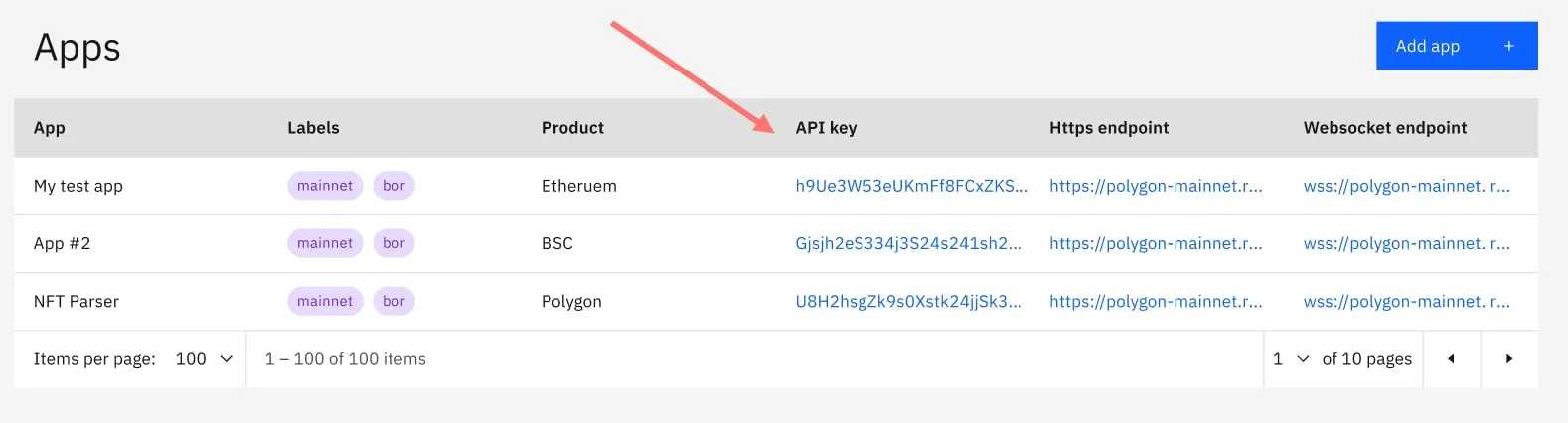
Geocoding turns street addresses into precise geographic coordinates — and reverse geocoding does the opposite, converting coordinates back into a readable address. To use these features programmatically, you need a geocoding API key: a unique token that authenticates your requests to Distancematrix and tracks your usage against your plan. This guide covers what a geocoding API key is, how to get geocoding API key access, how to add it to your requests, and how Free vs. paid plans affect your usage — plus why Distancematrix is a simpler, more cost-effective alternative to Google or Bing.

- Sign up for a free Distancematrix.ai account
- Open the Admin Panel
- Copy one of your default tokens
- Create a request in your work area.
What is a Geocoding API Key?
A geocoding API key — often called a “token” — is a unique, confidential string that identifies your application to Distancematrix. Including it in each request lets you:
- Authenticate your queries — Distancematrix.ai recognizes which account is calling.
- Track usage accurately — every request under that token counts toward your plan’s quota.
- Unlock the right features — your token grants access to the capabilities included in your plan (Free or Growth), such as geocoding or reverse geocoding.
Sign up at Distancematrix.ai to get a geocoding API key instantly after registration.
Purpose of a Geocoding API Key
Web and mobile developers use the Geocoding API when they need accurate geo data—for example, to place content on a map. It geocodes static, known addresses. Pricing depends on how many elements you request per month.
Every geocoding request needs two core parameters:
- address — the postal address to geocode, formatted the way the local postal service formats it. Skip extra details like apartment numbers or organization names.
- key — your geocoding API key, which identifies your account and manages your quota.
You can also query a usage-statistics endpoint for any time period, which is useful for monitoring consumption and forecasting cost.
Getting a Geocoding API Key: Short Guide
To get your geocode API key, you should proceed with a quick three-step process. Follow the steps below to have a ready-to-use key in minutes.
1. Register at Distancematrix — create a free account via the signup page. You’ll get a confirmation email with next steps.
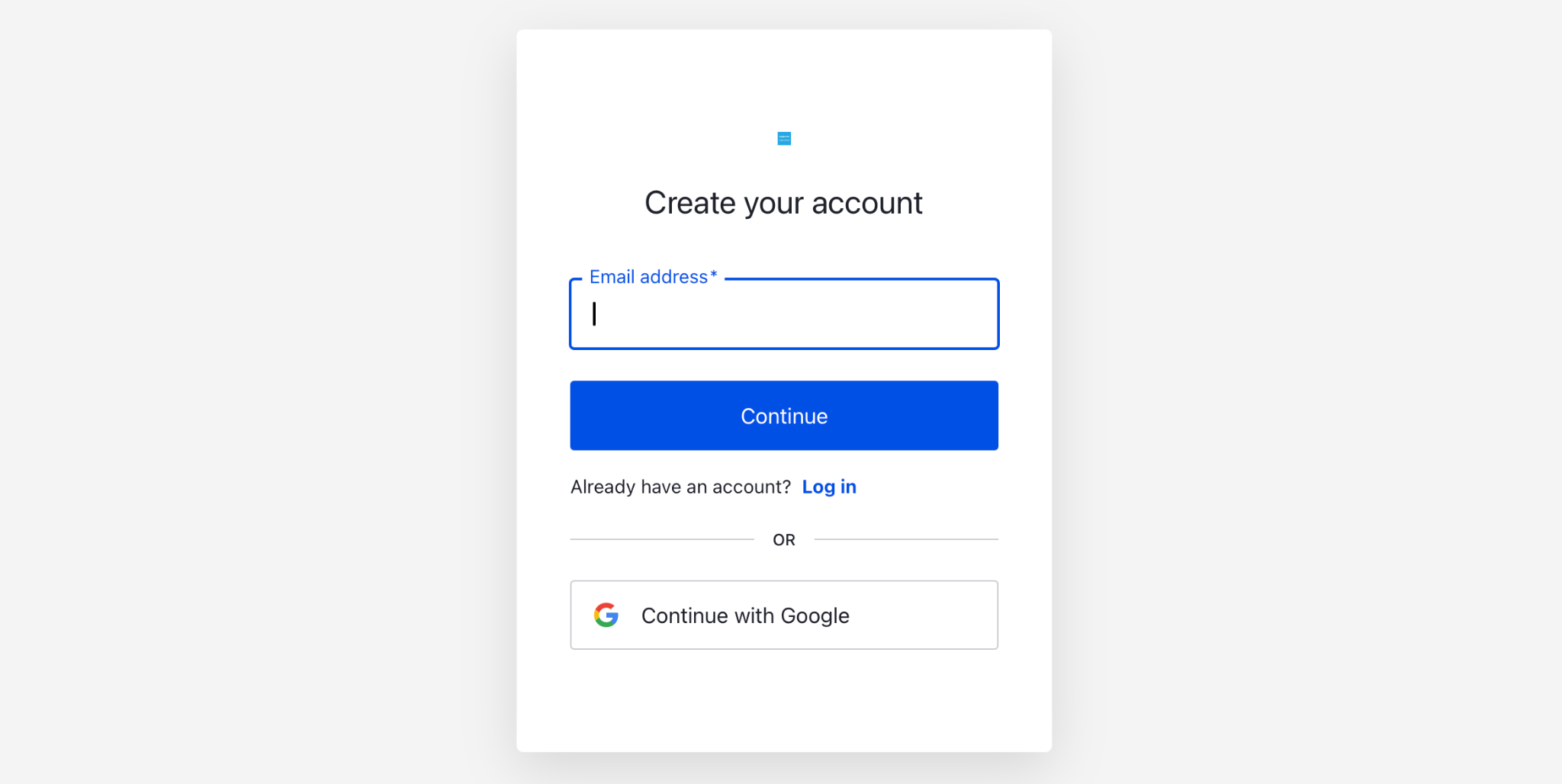
2. Open your Admin Panel — after logging in, you’ll land on the Free plan by default, which includes four tokens (you can create a fifth). Tokens are your API keys.
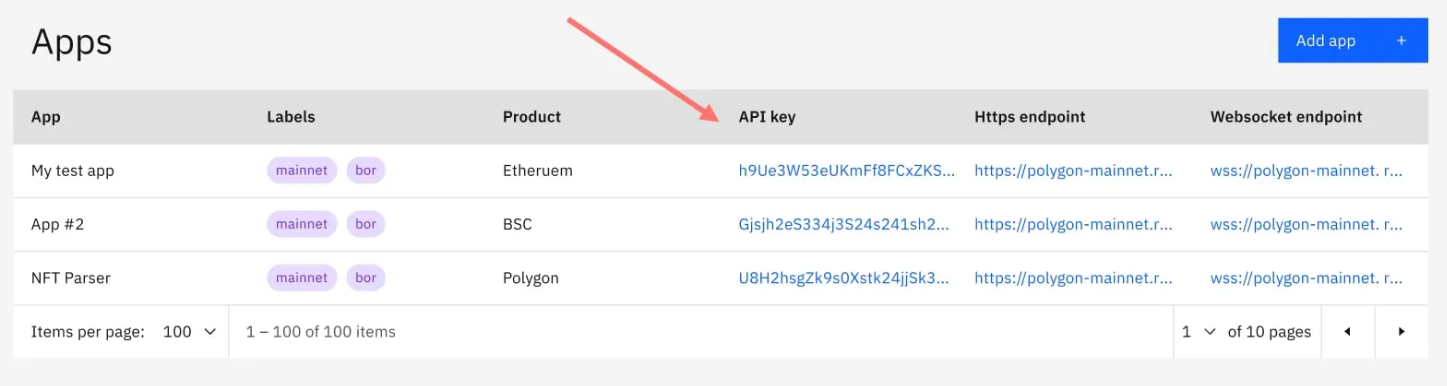
3. Check your token limits — the Free plan covers 1,000 elements per month across all tokens combined. Need more tokens or elements? Upgrade to the Growth plan for unlimited usage.

Adding the Geocoding API Key to Your Request
Every geocoding request must include your key as a query parameter:
https://api.distancematrix.ai/maps/api/geocode/json?address=1600+Amphitheatre+Parkway,+Mountain+View,+CA&key=<your_access_token>- address — the postal address you’re converting into coordinates.
- key — your geocoding API key from the Distancematrix.ai admin panel.
Use the address format recognized by the local postal service, without apartment numbers or business names.
Restrictions for Geocoding API Keys
On the Free plan, tokens are limited to 1,000 elements per month combined — otherwise there are no other restrictions, so all Distancematrix.ai features are available. The Growth plan removes the element cap entirely. Note that each request converts one location, counted as one element, and — regardless of plan — requests are capped at 100 per second to keep the system stable for all users.
Questions? Reach out to our support team anytime.
Begin Your Geocoding Integration in Minutes
Getting a geocoding API key from Distancematrix.ai is simpler and more cost-effective than Google, Bing, or other providers: a generous Free plan for smaller projects, plus an affordable Growth plan with unlimited usage when you’re ready to scale.
With your key, you can:
- Convert street addresses to precise coordinates
- Reverse-geocode coordinates to addresses
- Build custom mapping or route-optimization features
Get started now to unlock the full potential of geocoding for your apps or websites.
Need help? Our support team is available anytime, and our documentation covers advanced integrations, best practices, and code samples.